
Freelancers often juggle multiple clients, deadlines, and tasks, which can lead to a heavy workload. Repetitive tasks, such as administrative duties, data entry, and content management, can take up significant time and energy, reducing the time freelancers have for more creative or strategic work. Thankfully, artificial intelligence (AI) is here to help. By automating these repetitive tasks, freelancers can save time, increase efficiency, and focus on what matters most: delivering high-quality work to clients.
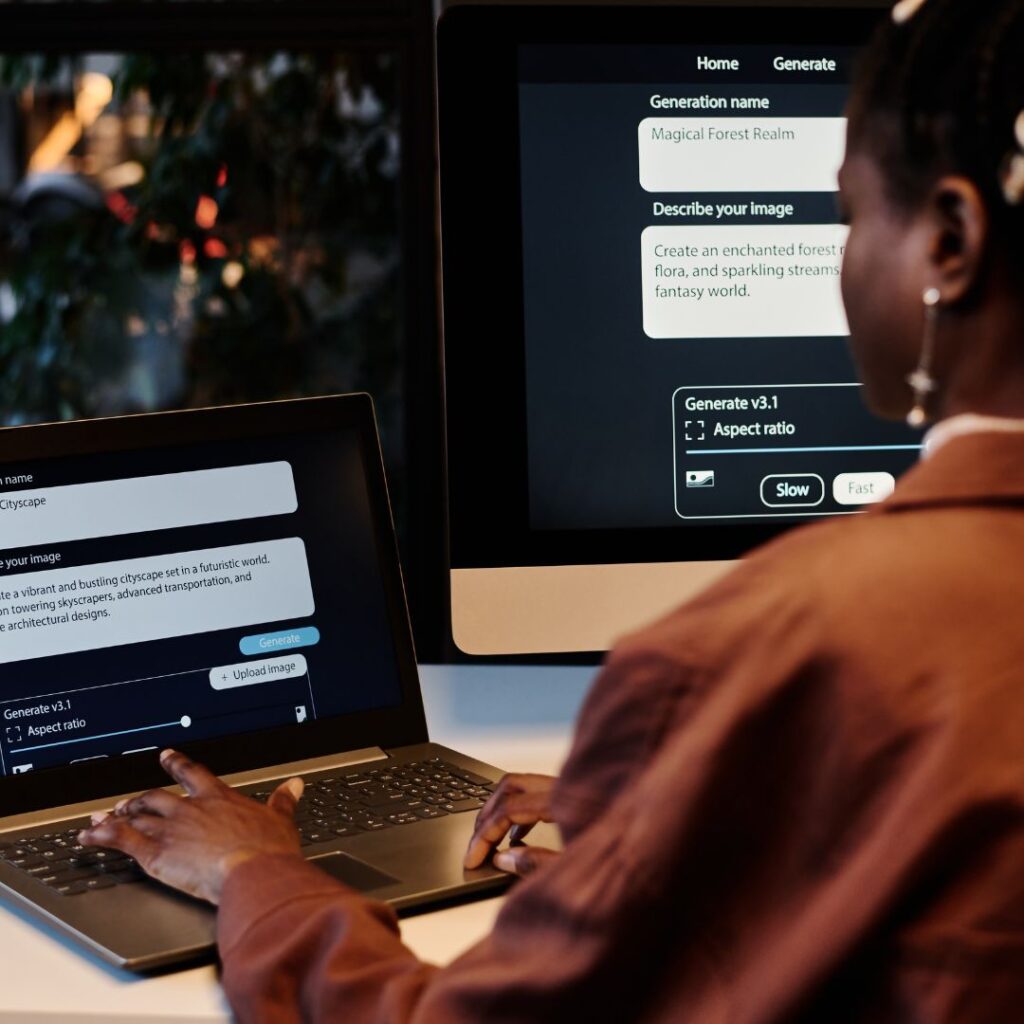
Here’s how freelancers can use AI to streamline their repetitive tasks:
1. Automating Invoicing and Payment Tracking
Managing invoices and payments can be a time-consuming task, especially when freelancers are working with multiple clients. AI tools can simplify and automate the entire process.
-
Invoice Generation: AI-powered accounting tools like QuickBooks, FreshBooks, and Wave can automatically create and send invoices based on the work completed, using templates and predefined payment terms. These tools also keep track of payment status and send reminders to clients when payments are overdue, reducing the need for manual follow-up.
-
Expense Tracking: AI-based tools can automatically categorize business expenses and generate financial reports. Expensify and Zoho Expense track receipts, categorize transactions, and generate expense reports with little input from the freelancer.
By automating invoicing and financial management, freelancers can spend less time on administrative tasks and more time on client work.
2. Email Management and Responses
Managing emails, sorting through inquiries, and sending responses can quickly become overwhelming, especially for freelancers with a large volume of communications. AI tools can help automate email management and even provide quick responses.
-
Automated Responses: AI-driven tools like Google’s Smart Reply or Boomerang can automatically generate responses to common client emails or inquiries, allowing freelancers to maintain timely communication without manual input. These tools use machine learning to understand email content and suggest appropriate replies.
-
Email Sorting and Organization: AI tools like SaneBox or Clean Email automatically organize incoming emails, flagging important ones, and filtering out irrelevant or spam emails. Freelancers can set rules for how emails should be sorted, allowing them to quickly focus on priority messages without wasting time on unnecessary ones.
AI can help freelancers stay on top of email communications and streamline their inbox management, ensuring they don’t miss important messages.
3. Scheduling and Calendar Management
Scheduling meetings, calls, or deadlines can be a challenge when juggling multiple clients. AI tools can help automate and manage scheduling, making it easier to coordinate with clients without the back-and-forth.
-
AI Scheduling Assistants: Tools like Calendly, Doodle, and x.ai automate the scheduling process by allowing clients to book meetings based on the freelancer’s available time slots. These AI-powered tools sync with a freelancer’s calendar and help prevent double-booking or scheduling conflicts.
-
Reminders and Follow-ups: AI can also help with timely reminders and follow-ups. Tools like Zapier can trigger automatic reminders for upcoming meetings or deadlines, reducing the risk of missing important appointments.
By automating the scheduling process, freelancers can ensure that meetings and deadlines are managed efficiently without unnecessary time spent on organizing their calendar.
4. Content Creation and Editing
For freelance writers, bloggers, and content creators, AI can assist in both the writing and editing processes, making content creation faster and more efficient.
-
AI Writing Assistants: Tools like Grammarly, Hemingway, and ProWritingAid use AI to check for grammar, spelling, punctuation, and style errors in written content. These tools can automatically suggest corrections and improvements, allowing freelancers to produce polished content quickly.
-
Content Generation: AI-powered writing tools like Jasper (formerly Jarvis), Copy.ai, and Writesonic can generate content based on prompts. These tools can help freelancers produce blog posts, social media content, product descriptions, and more in a fraction of the time it would take to write manually.
By using AI for content creation and editing, freelancers can cut down on the time spent proofreading, rewriting, and coming up with content ideas.
5. Social Media Management
Managing social media accounts for clients can involve posting regularly, responding to comments, and analyzing performance data. AI tools can automate many of these tasks, helping freelancers maintain a consistent social media presence without investing too much time.
-
Post Scheduling: Tools like Buffer, Hootsuite, and Sprout Social allow freelancers to schedule posts in advance. These platforms can automatically publish content at optimal times, ensuring consistency and increasing engagement without requiring constant monitoring.
-
Social Media Analytics: AI tools analyze engagement metrics, sentiment, and audience behavior to optimize social media strategies. Freelancers can use these insights to adjust their content and posting strategies for maximum impact. Lately.ai is an AI tool that can generate social media posts based on content and analyze post performance.
By automating social media management, freelancers can reduce the time spent on client accounts while still delivering value and maintaining engagement.
6. Data Entry and File Organization
Data entry tasks and organizing files can be tedious and prone to error. AI can automate these processes, ensuring that data is entered correctly and files are organized for easy access.
-
Data Extraction: Tools like Zapier and Integromat can automatically extract data from emails, forms, and documents and input it into spreadsheets, CRMs, or other databases. This eliminates the need for manual data entry, saving time and reducing the risk of errors.
-
File Organization: AI tools like Google Drive and Evernote can automatically categorize and tag files, making it easier for freelancers to organize their documents and find what they need. AI-powered tools can also recognize the content of documents and suggest relevant tags or folders.
By automating data entry and file organization, freelancers can save significant time that would otherwise be spent on manual tasks.
7. Customer Support and Chatbots
Freelancers who provide customer service or handle client inquiries can use AI-powered chatbots to assist with basic questions and customer support.
-
AI Chatbots: Tools like Intercom, Drift, and Tidio use AI to engage with customers in real time, answering frequently asked questions and offering immediate assistance. These tools can be integrated into websites or social media pages, enabling freelancers to provide 24/7 support without having to be constantly available.
-
Client Communication: AI can also assist with managing client communications, automating follow-ups, and sending reminders about project deadlines or deliverables. This reduces the need for freelancers to spend time manually tracking client messages.
By integrating AI-powered customer support, freelancers can handle inquiries and provide assistance without taking time away from other tasks.
8. Research and Market Analysis
Freelancers often spend a considerable amount of time conducting research, whether it’s for market trends, competitor analysis, or understanding client needs. AI tools can make this process more efficient.
-
AI Research Tools: Platforms like Crayon and BuzzSumo help freelancers monitor competitor activity, track trends, and identify relevant content in their niche. These tools automate the research process, offering real-time insights into what’s happening in the market.
-
Sentiment Analysis: AI tools like MonkeyLearn and Lexalytics can analyze customer sentiment from reviews, social media, and online discussions. Freelancers can use these insights to inform their business strategies or content creation.
By automating research tasks, freelancers can stay updated on market trends and make informed decisions without spending hours gathering data.
Conclusion
AI is a powerful tool that can help freelancers automate a wide range of repetitive tasks, from invoicing and scheduling to content creation and market research. By leveraging AI for these tasks, freelancers can significantly improve their efficiency, reduce time spent on administrative duties, and focus on high-value work for their clients. Embracing AI-powered tools can ultimately help freelancers scale their businesses, deliver better services, and achieve a more balanced work-life dynamic.